Overview
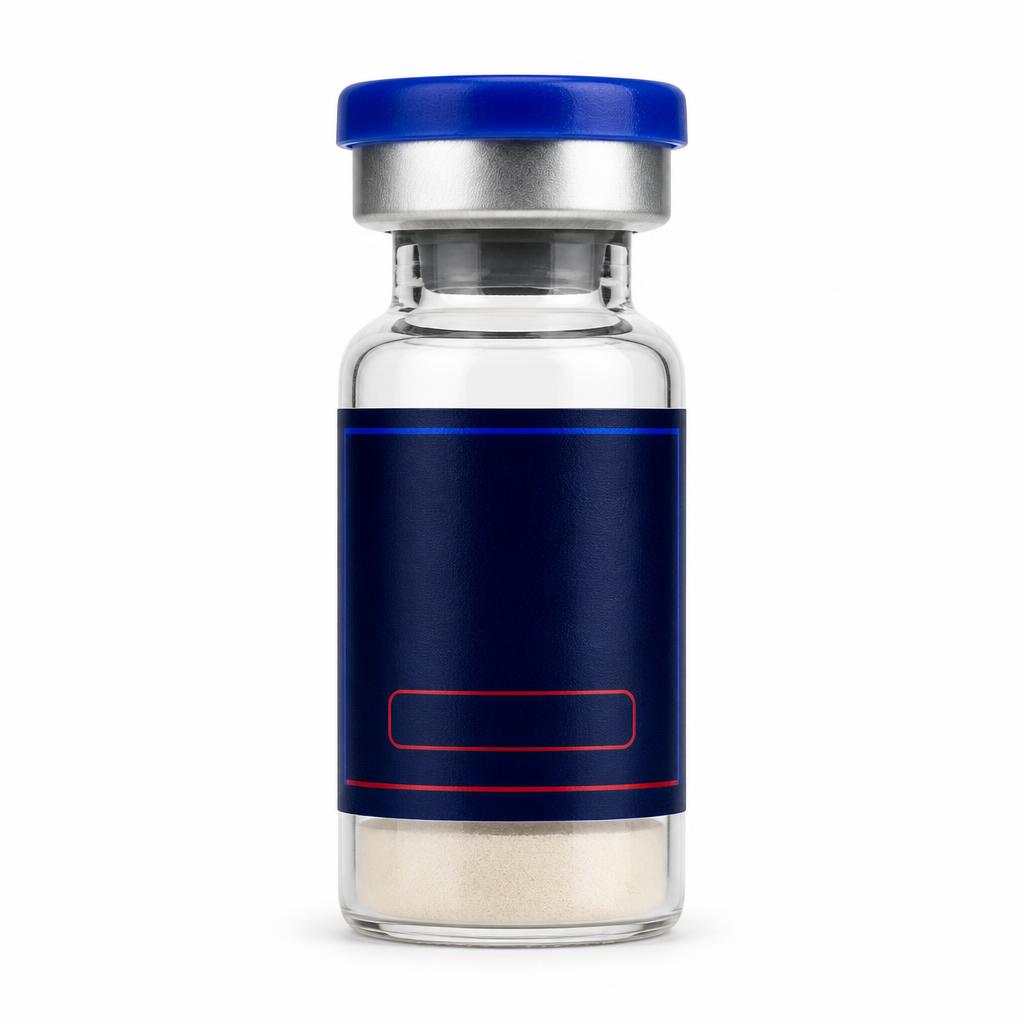
DSIP is supplied as a lyophilized powder at 15MG / vial, assayed at ≥99% purity and released against SKU SKU DSIP. Each vial ships with a lot-specific Certificate of Analysis and is intended exclusively for in-vitro laboratory investigation.
Research area
DSIP is catalogued under neurological & cognitive research. Investigators typically evaluate it in controlled in-vitro or ex-vivo models where endpoints, controls, and exposure windows are defined by the study protocol.
Reconstitution
Bring the vial to room temperature before opening. Introduce bacteriostatic or sterile solvent slowly down the vial wall rather than directly onto the powder cake, then swirl gently until fully dissolved. Do not vortex or shake DSIP, as mechanical shear can degrade the peptide chain.
Storage & stability
Store the sealed lyophilized vial at -20 °C protected from light. Once reconstituted, hold at 2–8 °C and use within the working window defined by your protocol. Aliquot rather than subjecting DSIP to repeated freeze/thaw cycles.
Purity & analytics
Every lot of DSIP is assayed by reverse-phase HPLC for purity against a ≥99% specification and confirmed by mass spectrometry for identity. Water content, acetate content, and endotoxin data are reported on the lot Certificate of Analysis where applicable.
Handling precautions
Handle in a designated laboratory area using appropriate personal protective equipment. Avoid inhalation of the lyophilized powder and contact with skin or eyes. Dispose of unused material and consumables in line with your institution's chemical waste procedures.
Documentation
Ordering DSIP generates a compliance pack containing the order summary, assigned lot numbers, the research-use and age policy statement, the quality statement, and a Certificate of Analysis summary for filing alongside laboratory records.
Regulatory status
DSIP is a research chemical. It is not a drug, food, cosmetic, or dietary supplement, is not sterile for injection, and must not be administered to humans or animals. Purchasers must be 21 or older and qualified researchers.